
The short answer
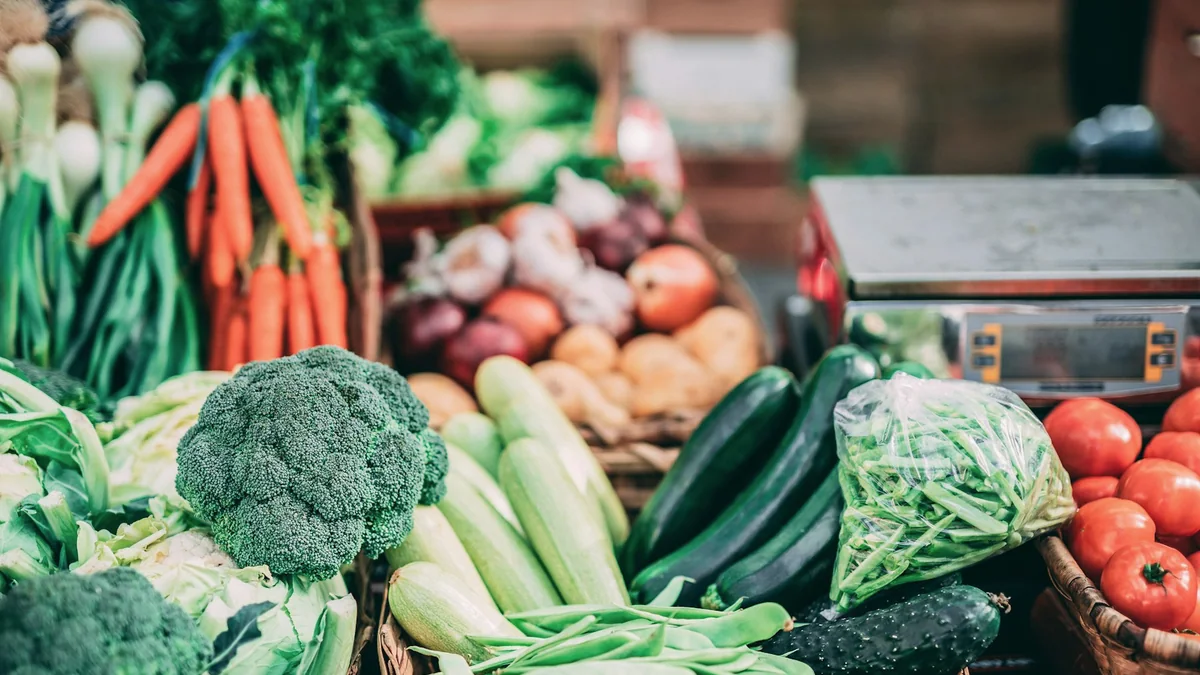
Visibility beats guilt: put the most perishable foods where your next decision happens.
The decision standard is simple: preserve the source, state the limits, and make the next human check obvious. A useful article should reduce uncertainty without pretending that every unknown has been resolved.
What to examine
A 20-minute triage can separate eat-now ingredients, freezer candidates, flexible components, and actual compost.
Start with the practical food, culture, sustainability, or wellness decision involved. Separate a verified finding from a broad claim, an official standard from marketing language, and a useful experience from a universal rule. Record the date and source because products, evidence, prices, and programs change.
Availability, labeling, cost, evidence, and local conditions can change; verify the details that matter to your decision.
A practical way to do it
- Name the practical decision or eating problem involved.
- Compare the idea with the simplest familiar alternative.
- Check the label, source, preparation, cost, and context.
- Try one small real-world experiment and record what worked.
Save the source, label, recipe adjustment, cost comparison, or observation that helped you decide. For allergies, deficiencies, medication interactions, or persistent symptoms, use qualified clinical guidance.
Editorial guardrail
Do not turn one study, one product, one personal experience, or one environmental metric into a universal claim. Mark what is unknown, narrow the statement, and make the next useful check obvious.
Primary-source reading list
These are starting points, not automatic support for every sentence. The publishing editor must open each cited page and confirm the claim it supports on the day of review.
Bottom line
Visibility beats guilt: put the most perishable foods where your next decision happens.