
Field notes
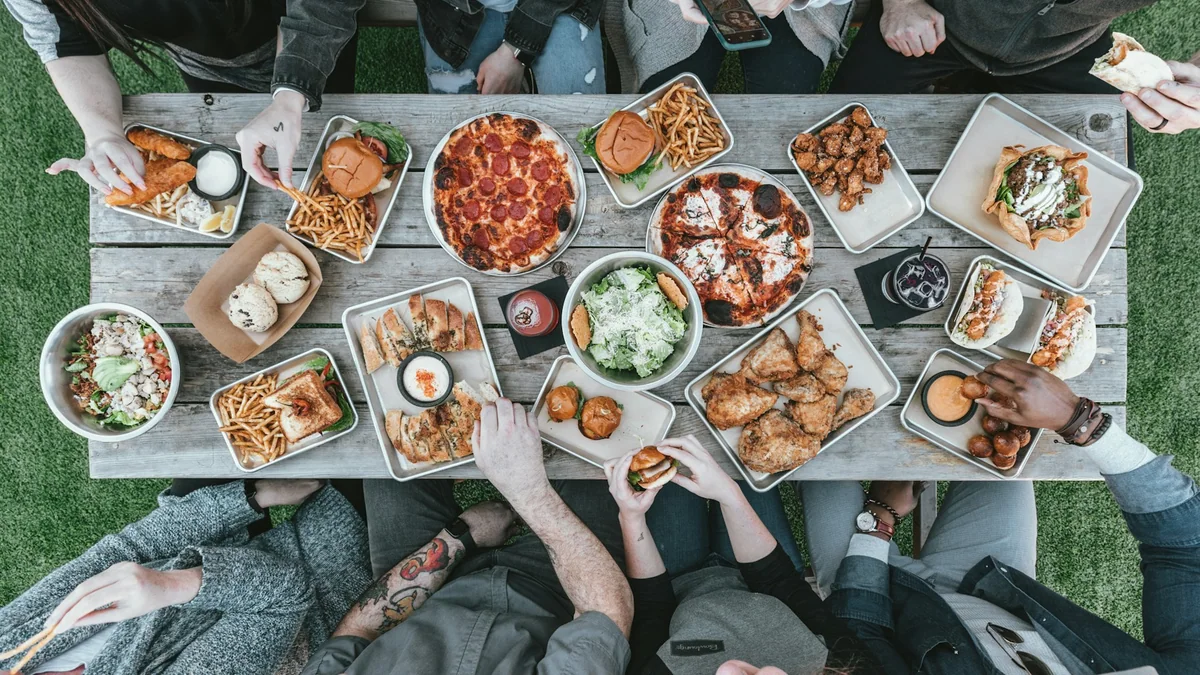
Why more restaurant menus are designing around plant-forward defaults
Chefs are moving beyond a single substitute entrée and treating plants as the center of the creative brief.
Complete story directory
Browse every Vegans & Geeks article by editorial desk. Each headline leads directly to its article page.
Editorial desk
Field notes
Chefs are moving beyond a single substitute entrée and treating plants as the center of the creative brief.

Explainer
Its rapid rise changed coffee counters, ingredient expectations, and the way mainstream shoppers try new formats.
Explainer
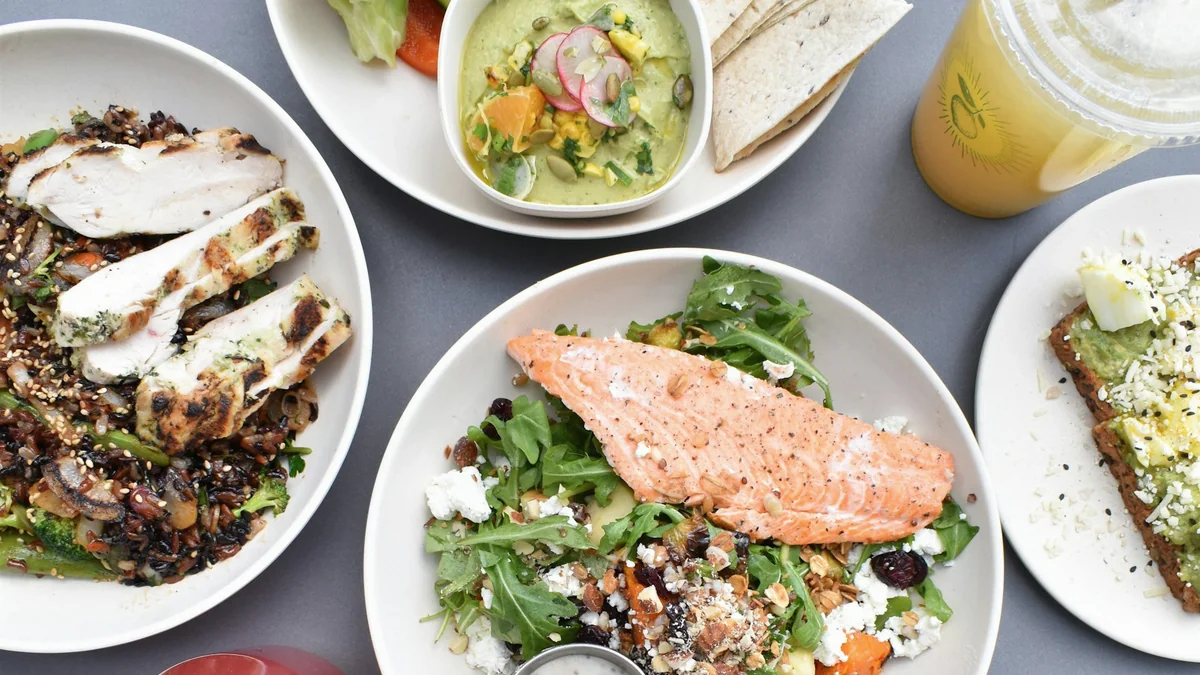
Cost, procurement, training, student familiarity, and kitchen equipment determine whether an idea survives lunch service.
Editorial desk
Guide
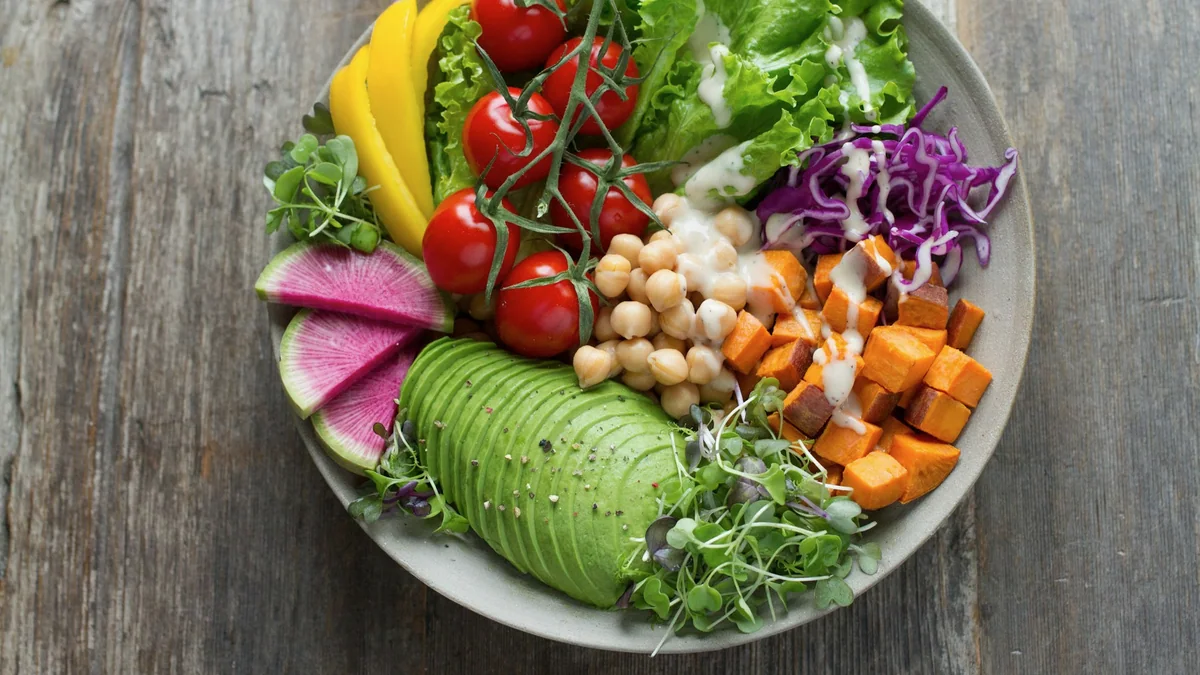
A practical shelf-by-shelf plan built around flexible staples, fast flavor, and ingredients that work more than once.
Kitchen lab
Pressing, freezing, tearing, and simmering all change the same block in distinct and useful ways.
Guide
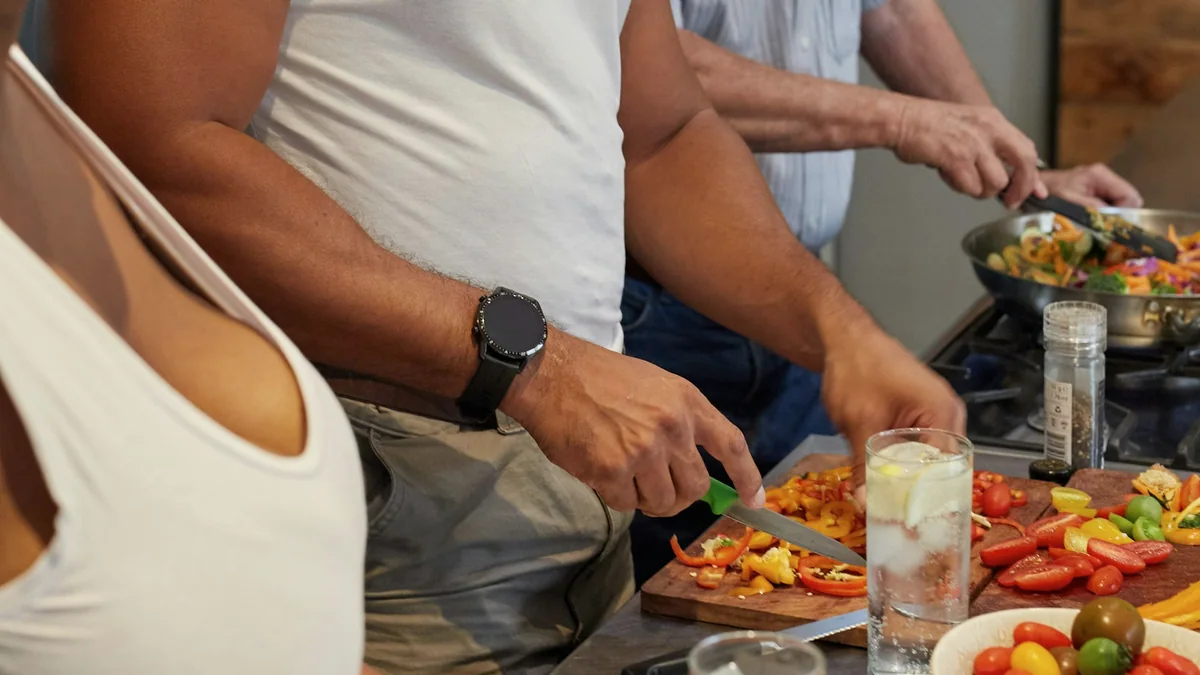
Batch components, portioned sauces, and a simple labeling habit can turn leftovers into genuine options.
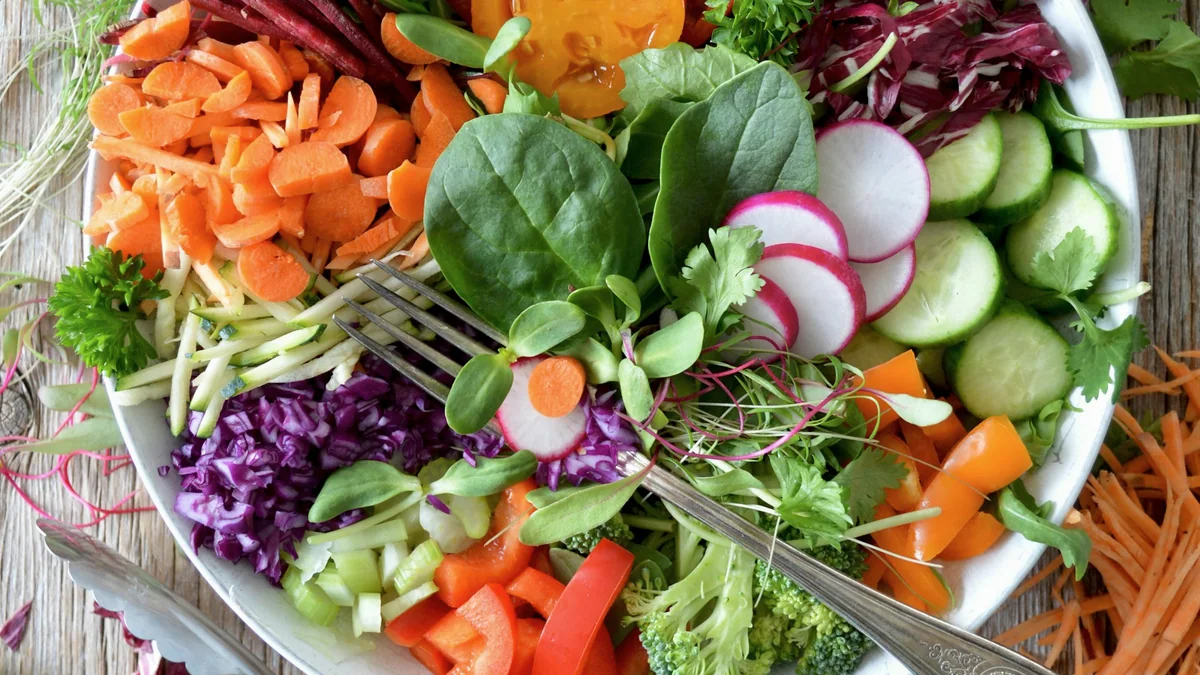
Kitchen lab
Aromatic foundations, cooking liquid, finishing acid, and texture control can make an inexpensive staple feel complete.
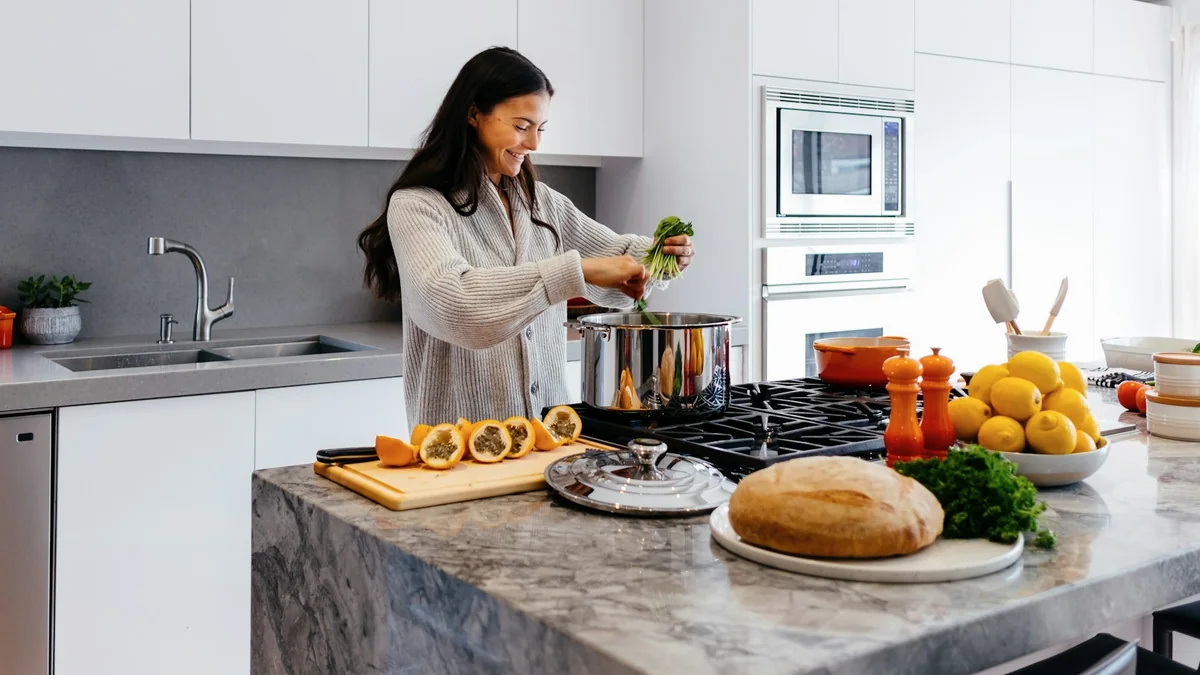
Kitchen lab
The liquid around chickpeas can foam, bind, and emulsify—but technique and expectations matter.

Kitchen lab
A bright herb sauce, a creamy sesame base, and a smoky tomato option create range without a crowded plan.
Editorial desk
Explainer
From fungi to precision-made ingredients, fermentation is helping food makers build better flavor and texture without leaning on old assumptions.
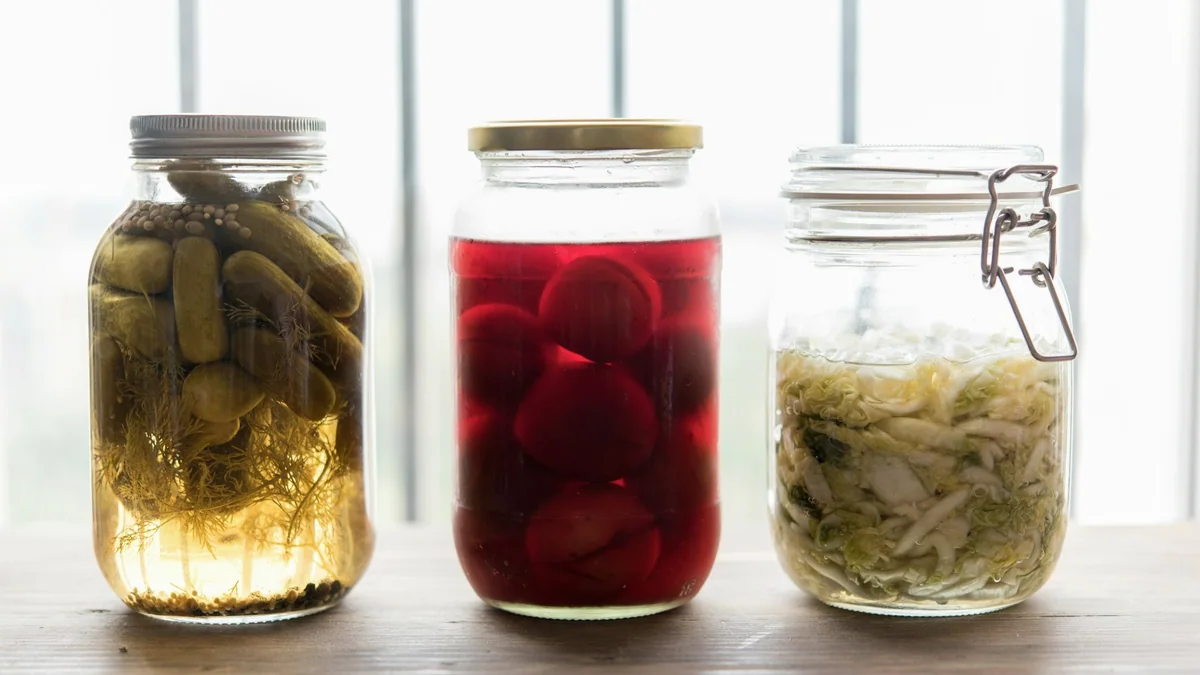
Explainer
A small ingredient could have an outsized effect on aroma, browning, and satisfaction in next-generation foods.
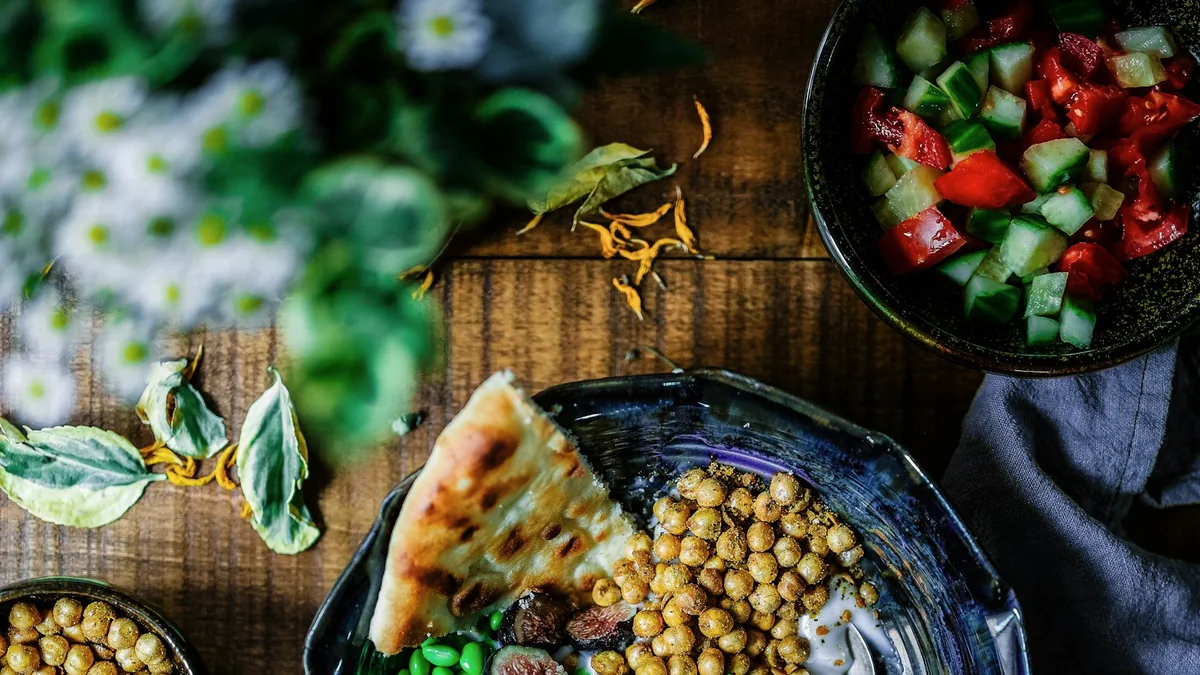
Field notes
New makers are using aging, fermentation, and regional identity to move the category beyond imitation.
Brief
From umami-rich seasonings to noodles and snacks, ocean-grown plants are moving into more familiar formats.
Brief
Mycelium is inspiring work in food, packaging, textiles, and design—while mushrooms keep evolving in the kitchen.
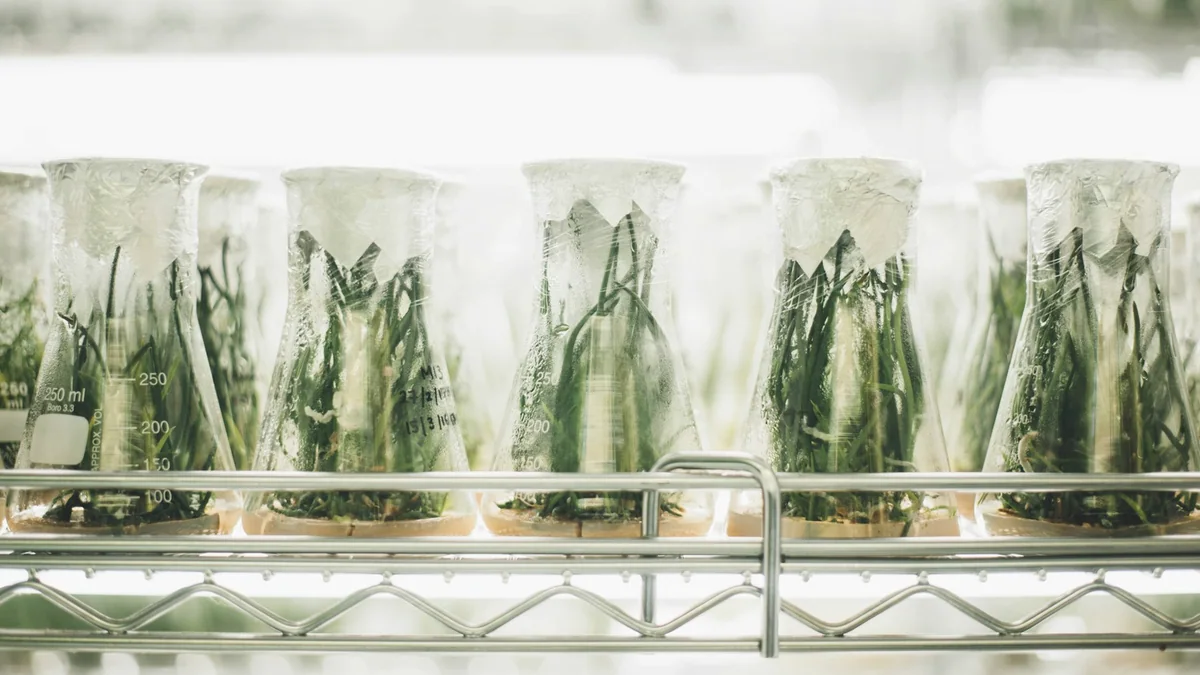
Brief
Biomaterials made with microbes, agricultural inputs, and plant waste are challenging how products get designed.
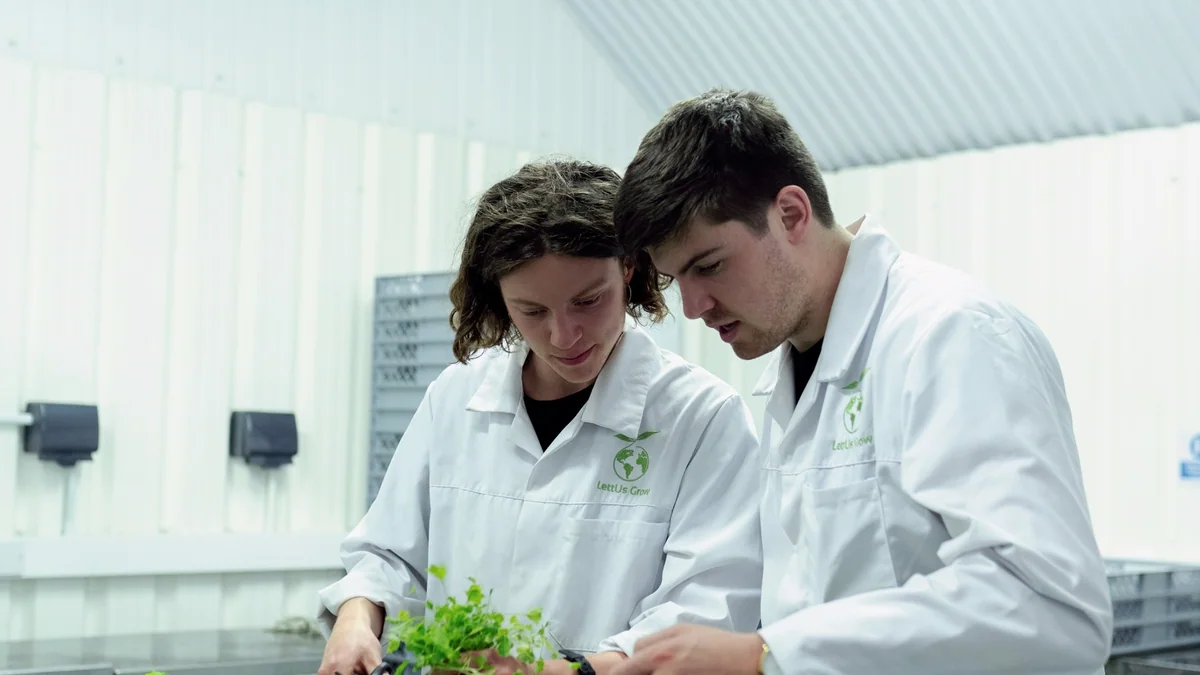
Explainer
Sensors and decision tools can save time or inputs, but cost, connectivity, repair, and ownership shape the real value.
Editorial desk
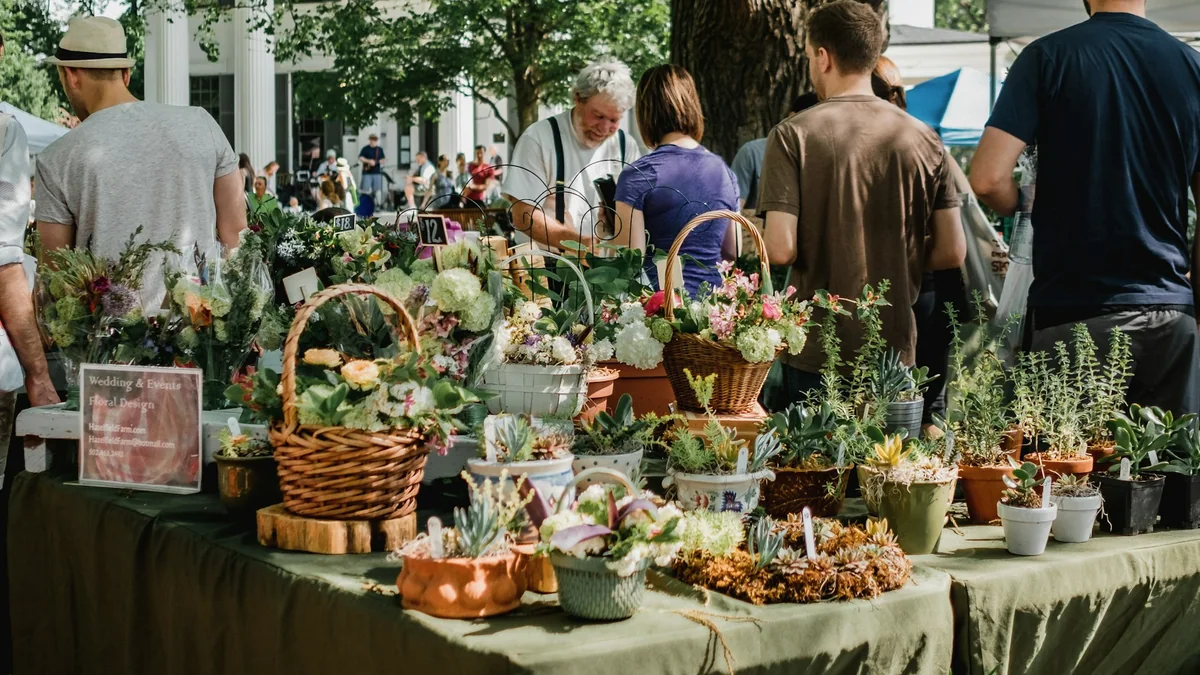
Guide
A calmer way to evaluate environmental claims, certifications, packaging language, and the evidence behind them.
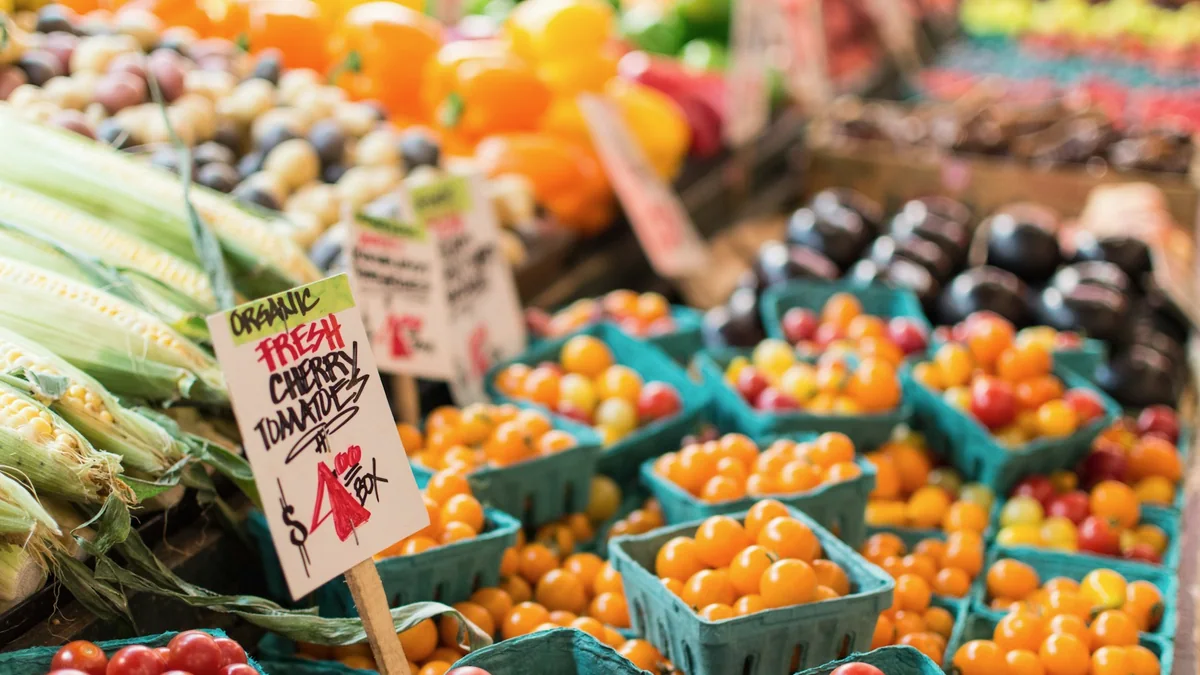
Guide
A flexible list, storage plan, and willingness to use stems and tops can turn a beautiful haul into an efficient week.
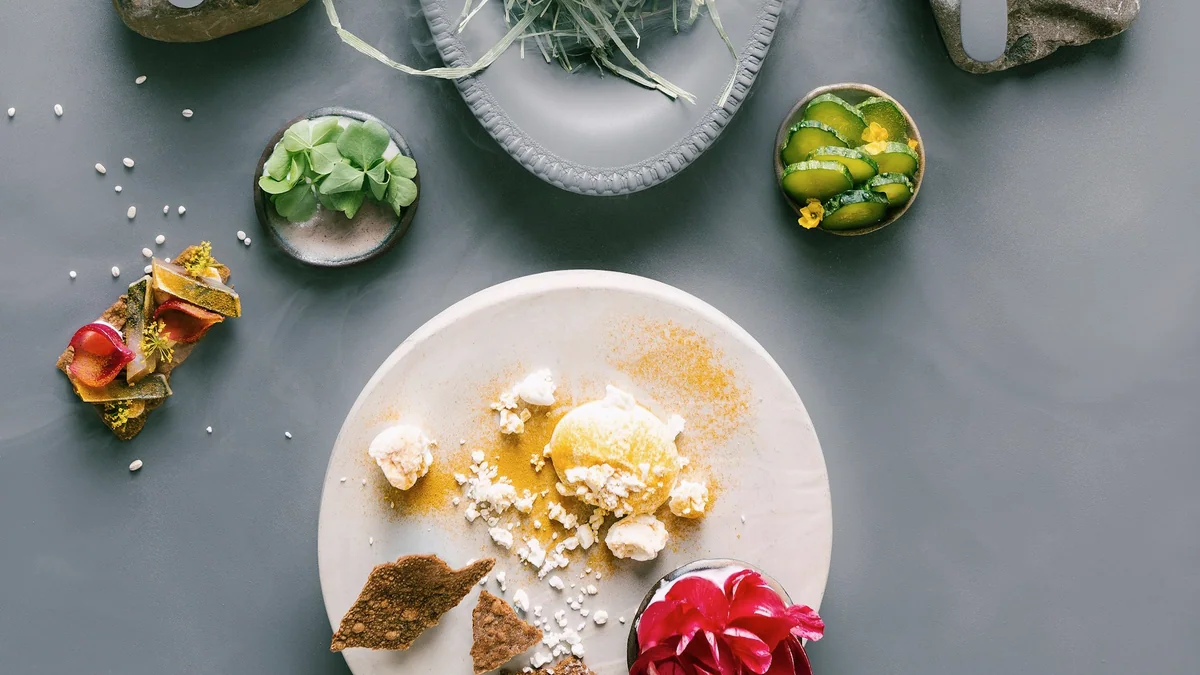
Explainer
Brands and chefs are finding useful second lives for pulp, spent grain, peels, and other overlooked ingredients.
Explainer
The footprint of a cup depends on more than the splash: farming, brewing, waste, and frequency all matter.
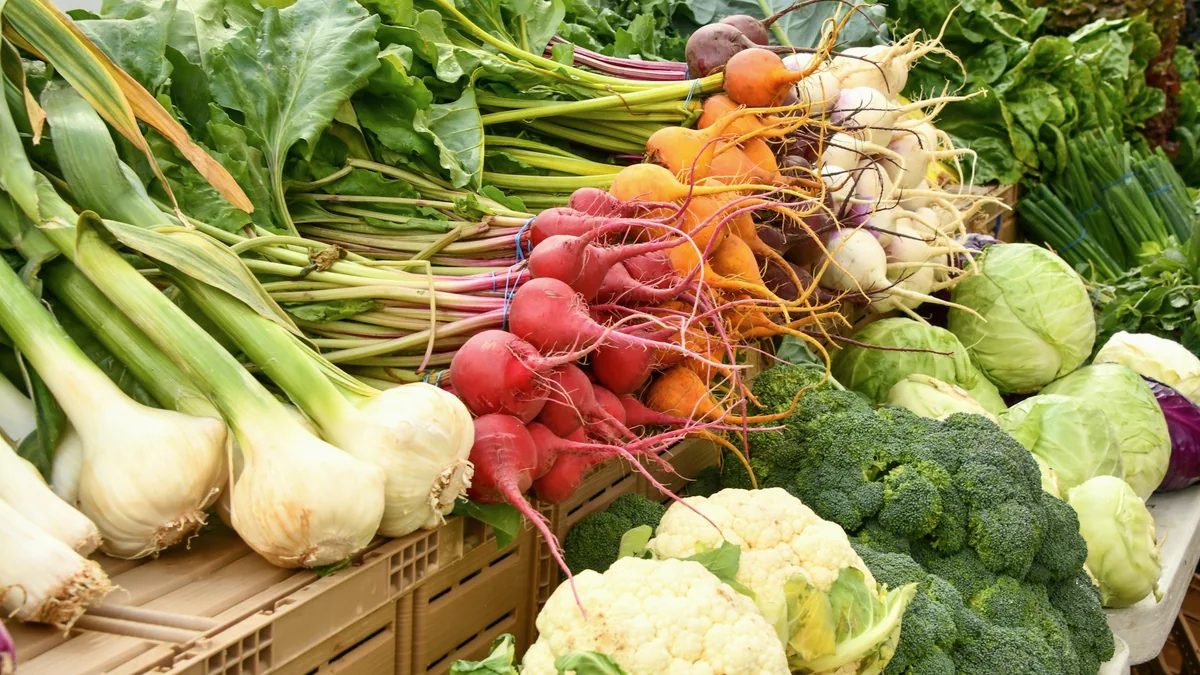
Explainer
Their value can include education, resilience, community, and fresh access even when acreage is small.
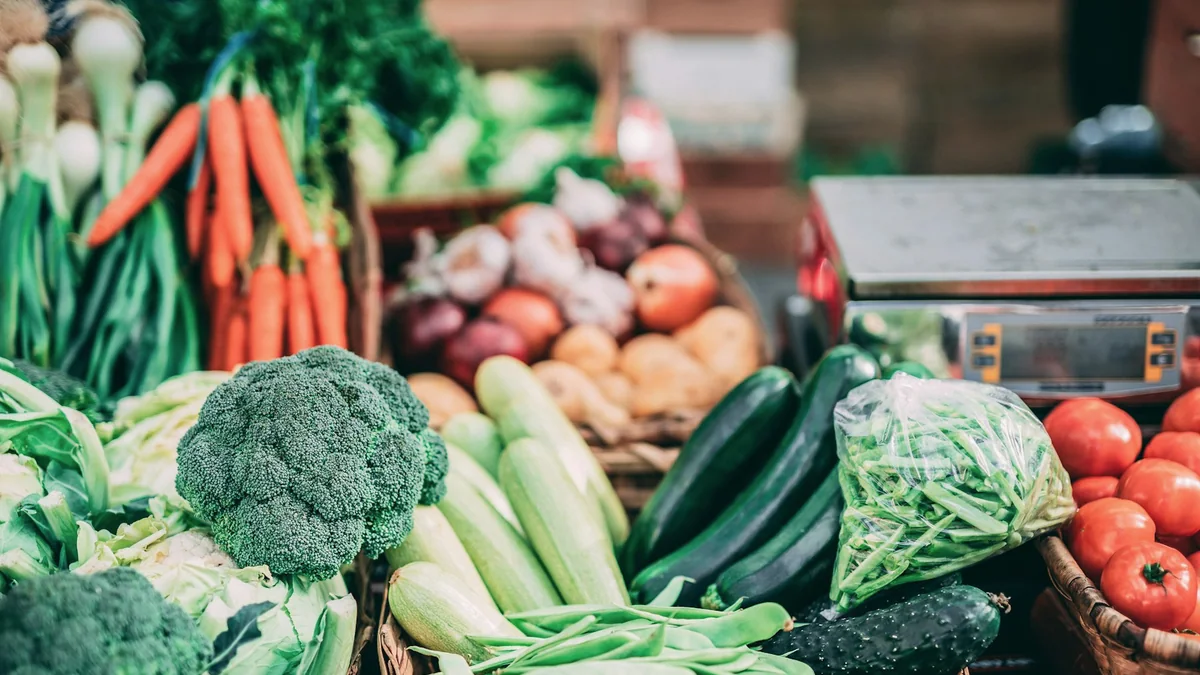
Guide
A 20-minute triage can separate eat-now ingredients, freezer candidates, flexible components, and actual compost.
Editorial desk
Field notes
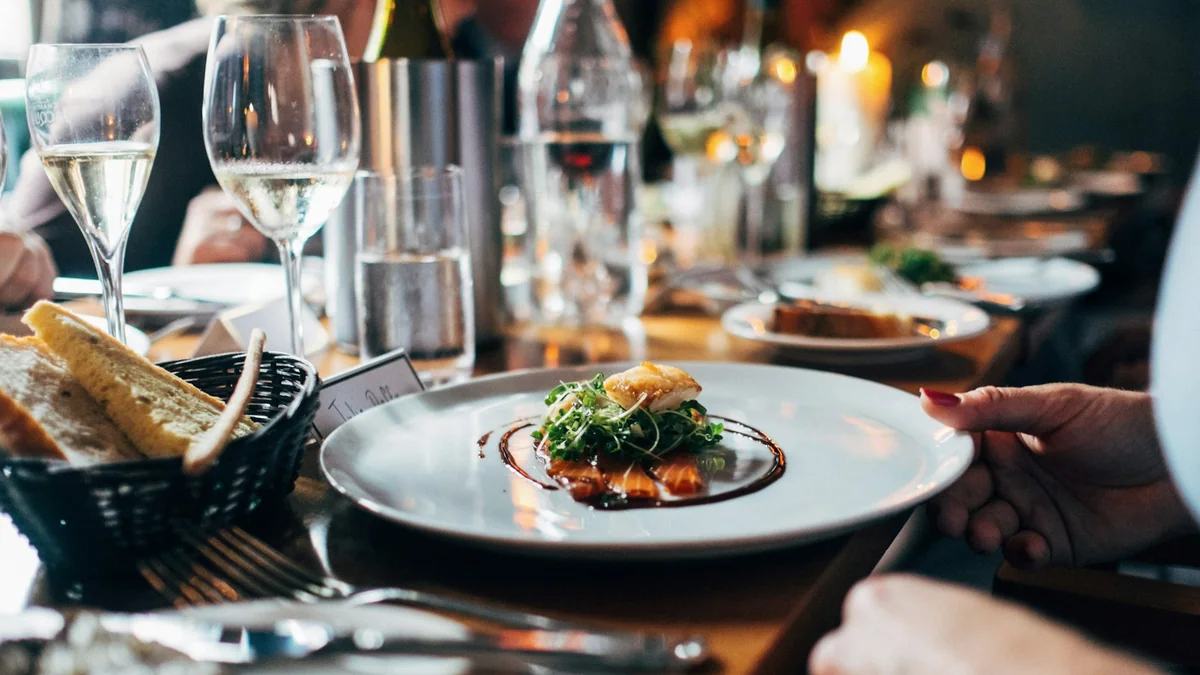
Cooks are drawing on smoke, spice, fruit, mushrooms, legumes, and regional traditions to build a broader table.
Guide
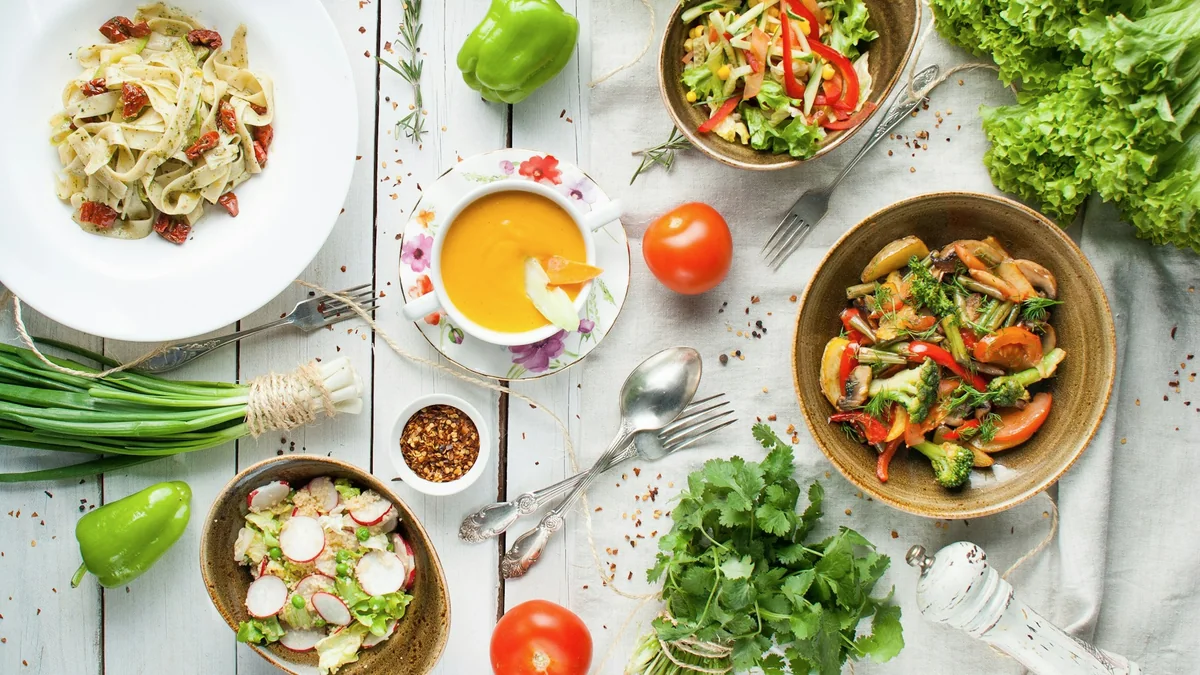
Learning how local kitchens describe ingredients and preparation can open more doors than relying on one label.
Guide
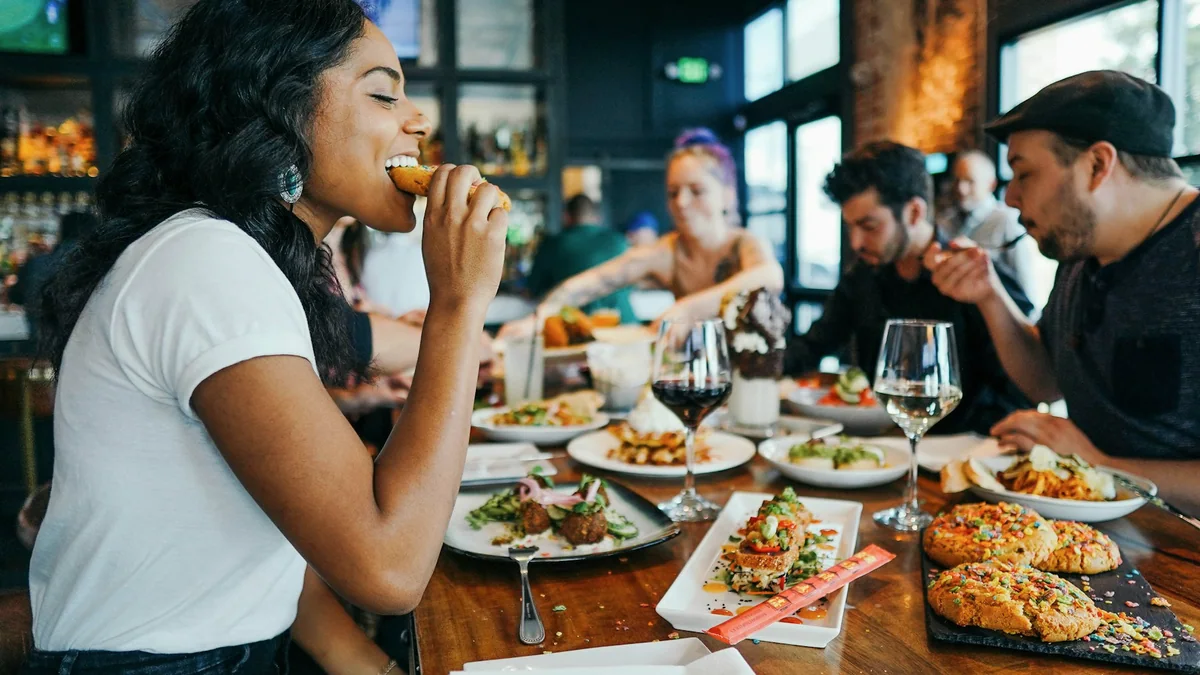
A welcoming table starts with abundance, clear labels, familiar anchors, and food everyone is excited to share.
Guide
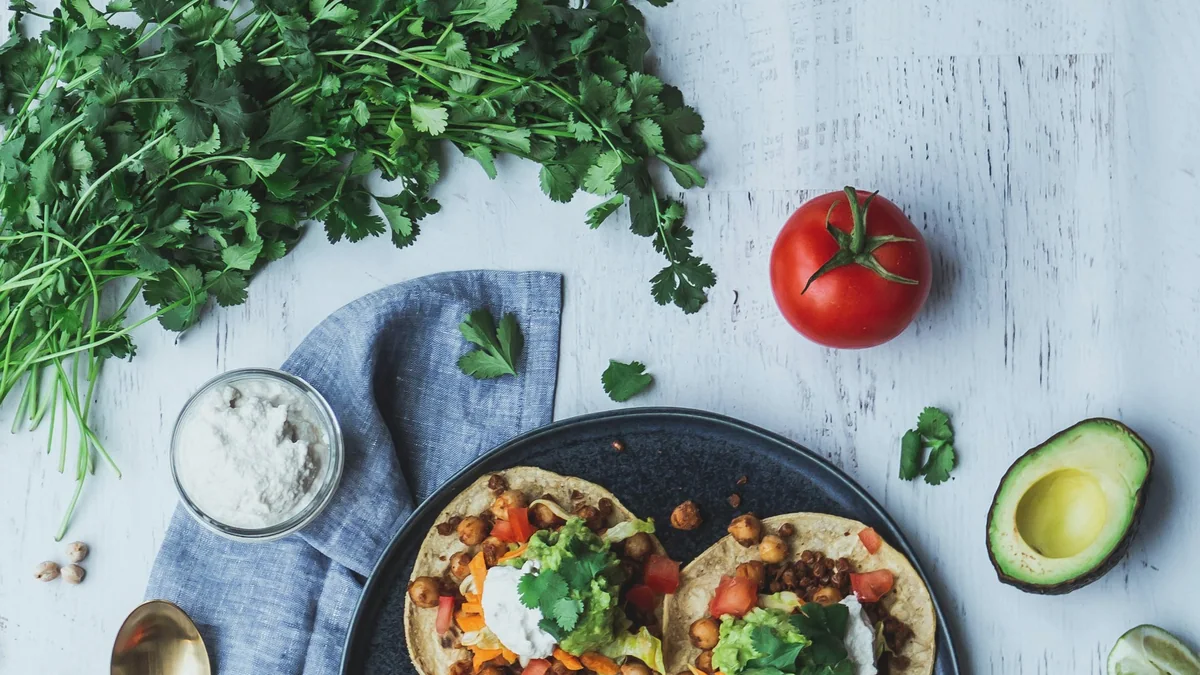
A useful media routine mixes evidence, practical experience, culture, and voices willing to name uncertainty.
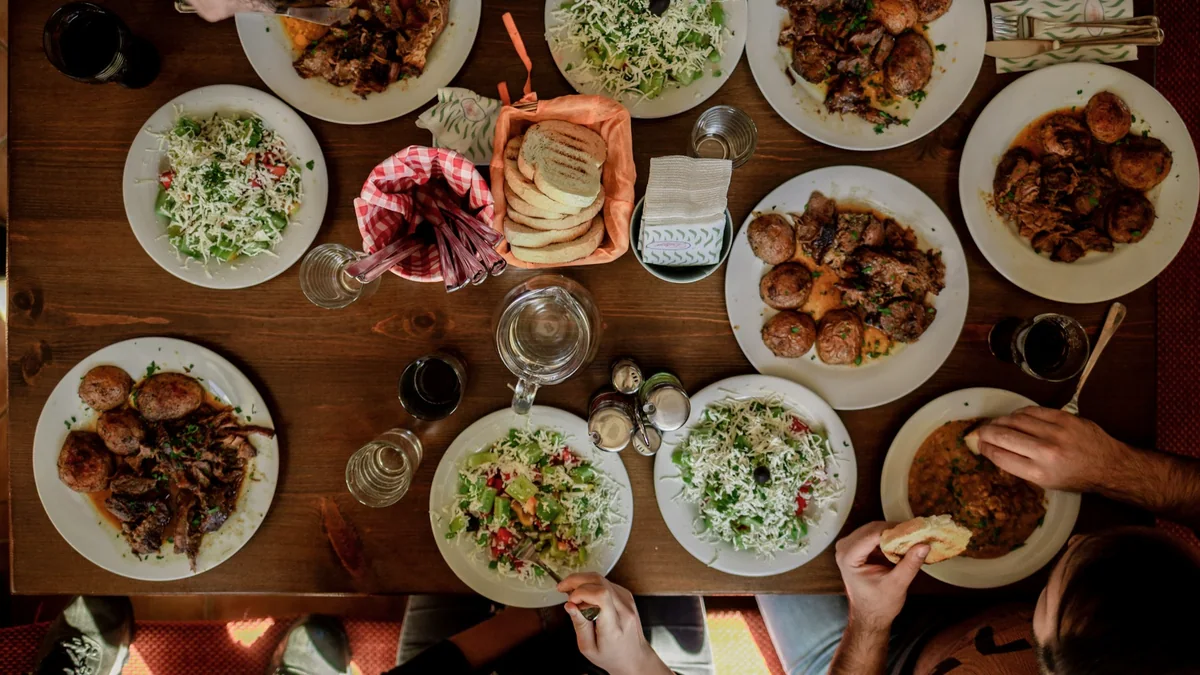
Field notes
Flavor matters, but so do hospitality, price, accessibility, context, and whether the menu delivers on its own idea.
Editorial desk
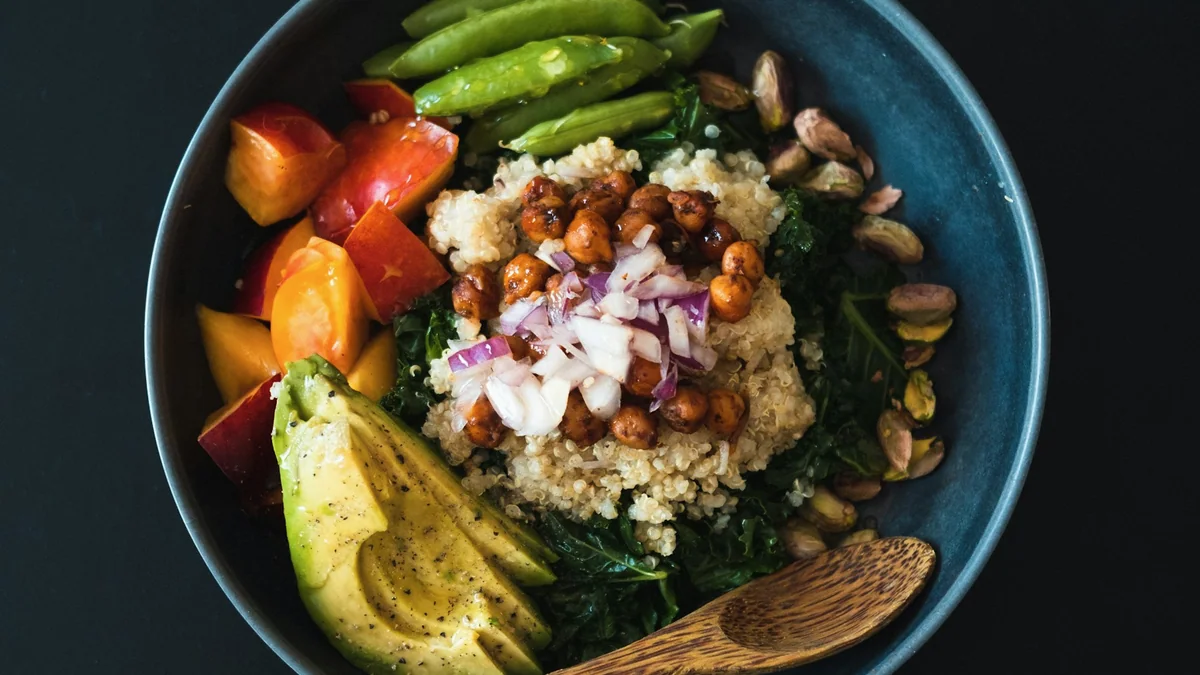
Guide
A practical framework for variety, portions, and individual needs—without turning every meal into a math problem.
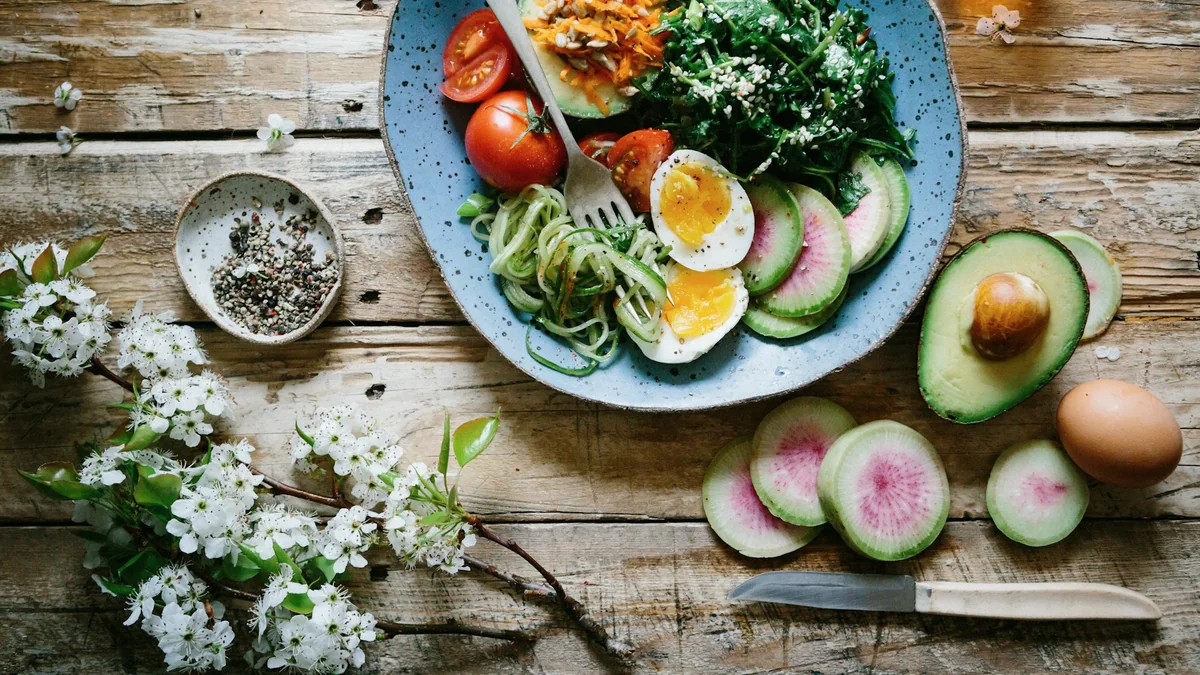
Explainer
Different plants bring different fibers, and rapid changes can feel very different from gradual ones.
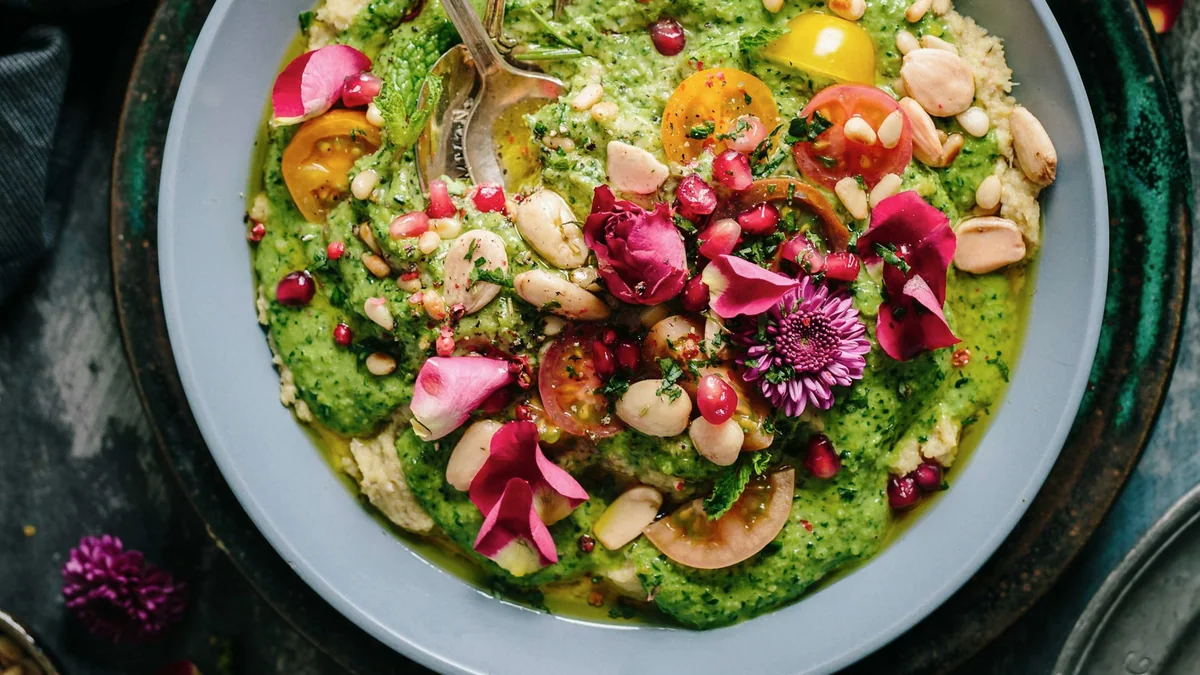
Guide
Fortified foods, beans, greens, tofu, seeds, and individual health needs belong in a broader dietary pattern.